Ultimo aggiornamento:
Come scegliere una cerniera a coppia: calcolo, montaggio e durata

Jane Tu
Marketing manager at securilock.
Selezionare una cerniera a coppia costante richiede tre passi: calcolare la coppia necessaria da peso e baricentro della porta, verificare che l'orientamento di montaggio coincida con la direzione nominale della cerniera, e controllare ambiente e vita nominale. Quando il calcolo della coppia è corretto, spariscono insieme i coperchi che cedono e le porte troppo rigide.
Una cerniera a coppia (detta anche cerniera a frizione o a coppia costante) mantiene uno sportello, un coperchio o un pannello in qualsiasi angolazione senza molle a gas o aste di sostegno, sfruttando l'attrito controllato tra i componenti interni. La scelta corretta è soprattutto questione di calcolo della coppia, seguito dalla verifica di ambiente e durata.
Come funziona una cerniera a coppia
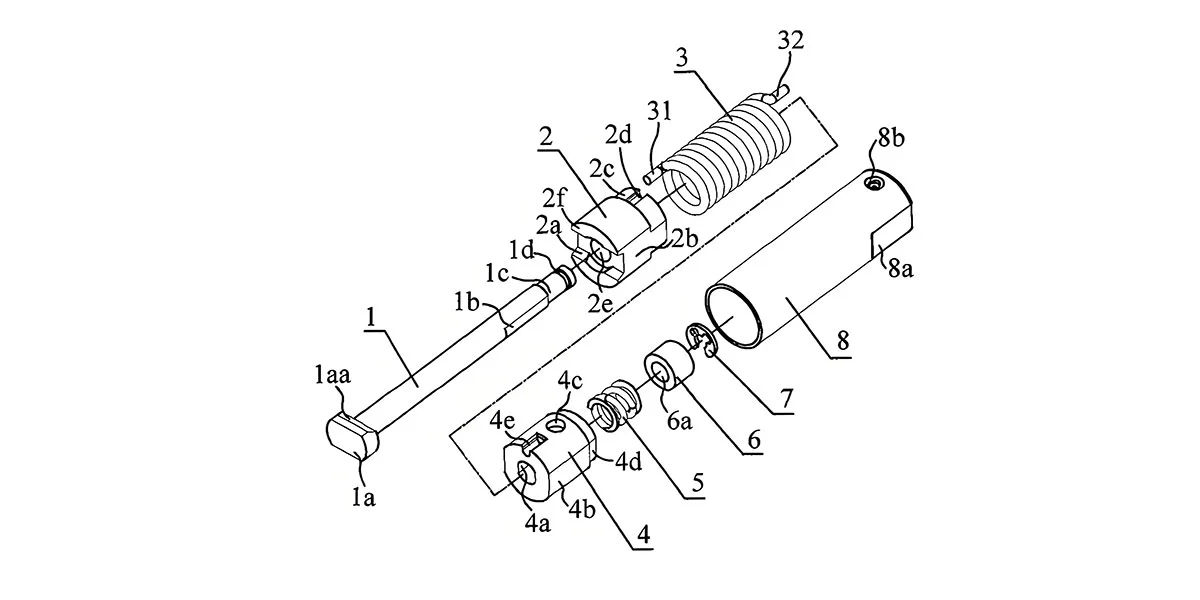
All'interno del corpo, l'attrito è generato da elementi di serraggio sull'asse o da boccole polimeriche ad accoppiamento interferente. La coppia di attrito è impostata in fabbrica e resta quasi costante per tutta la vita nominale. A differenza di una cerniera a scatti, una vera cerniera a coppia costante non ha posizioni fisse: il pannello resta esattamente dove l'operatore lo lascia.
Passo 1: calcolare la coppia richiesta
La coppia che la cerniera deve sostenere è pari al peso del pannello moltiplicato per la distanza orizzontale tra l'asse della cerniera e il baricentro del pannello:
T = W × d, dove W è il peso in newton (massa in kg × 9,81) e d la distanza in metri.
Dividete il totale per il numero di cerniere e applicate un coefficiente di sicurezza di 1,25–1,5 per coprire l'usura durante la vita del prodotto. Esempio: un coperchio di ispezione da 4 kg con baricentro a 0,15 m dall'asse richiede circa 4 × 9,81 × 0,15 ≈ 5,9 N·m, ossia circa 3 N·m per cerniera su una porta con due cerniere, prima del coefficiente di sicurezza.
Passo 2: verificare l'orientamento di montaggio
La maggior parte delle cerniere a coppia è dimensionata per uno specifico orientamento dell'asse: orizzontale (coperchio che si apre verso l'alto) o verticale (porta laterale). Usata fuori dalla posizione nominale, la cerniera può usurarsi in modo irregolare o perdere posizione. Verificate anche la rigidità della superficie di montaggio: una lamiera sottile che flette farà sembrare debole anche una cerniera ben dimensionata.
Passo 3: verificare ambiente e durata
- Temperatura: gli elementi di attrito in polimero perdono coppia al caldo e irrigidiscono al freddo: verificate l'intero intervallo termico dell'apparecchiatura.
- Durata: i cicli dichiarati devono essere misurati a coppia nominale, non a vuoto; per sportelli aperti più volte al giorno consigliamo oltre 20.000 cicli.
- Corrosione: per esterni o ambienti di lavaggio, specificare assi e corpi in acciaio inox.
Errori di selezione più comuni
I tre errori che vediamo più spesso: dimensionare solo in base al peso del pannello dimenticando la distanza del baricentro; ignorare il decadimento della coppia, così il coperchio cede dopo un anno; e mescolare modelli di cerniere diversi sulla stessa porta, causando torsioni del pannello in movimento. Usate cerniere identiche e simmetriche su ogni porta.
Cerniere a coppia standard o heavy-duty
Una volta nota la coppia, l'ultima decisione riguarda la classe di servizio. Le cerniere a coppia standard (standard torque hinges) usano elementi di attrito polimerici compatti attorno a un perno in acciaio e coprono pannelli leggeri e medi: coperture strumenti, porte di quadri di comando, supporti display e carter macchina. Sono la scelta economica con cicli moderati e carichi laterali ridotti. Le cerniere a coppia heavy-duty adottano perni di diametro maggiore, pacchi attrito metallici o ibridi e fissaggio passante. Sostengono coperture più pesanti in apertura completa, tollerano carichi eccentrici e mantengono basso il decadimento di coppia nel tempo. Regola pratica: se la coppia calcolata per cerniera cade nella metà superiore della capacità di una cerniera standard, o se il pannello è nettamente più largo che alto, passate alla classe heavy-duty e rifate il calcolo con la capacità combinata della coppia di cerniere.
La gamma di cerniere a coppia SecuriLock copre dai pannelli strumenti leggeri alle coperture industriali pesanti. Inviaci peso, dimensioni e angolo di apertura del pannello: i nostri tecnici restituiranno una specifica calcolata — contattaci qui.
Domande frequenti
Qual è la sua quantità minima d'ordine?
Il nostro ordine minimo parte da 100 pezzi per codice, sia per gli articoli a catalogo sia per i programmi OEM personalizzati. Quantità inferiori per ordini di prova o prototipi sono negoziabili.
Qual è il tipico tempo di consegna?
Prodotti standard: 2–4 settimane. Progetti personalizzati: 4–8 settimane a seconda degli utensili e del processo di approvazione.
Supportate progetti ODM/OEM?
Assolutamente. Il nostro team di ingegneria può sviluppare serrature, chiavistelli e maniglie personalizzate dal concept alla produzione di massa.
Potete spedire campioni per valutazione?
Sì, gli ordini di campioni di prodotti standard vengono generalmente spediti entro 3–5 giorni lavorativi tramite corriere aereo.
Come richiedo un preventivo?
Utilizzate il modulo di contatto o scriveteci un'e-mail con lo SKU del prodotto, la quantità stimata e il mercato di destinazione. Rispondiamo entro 24 ore.
Offrite sistemi di chiave personalizzati?
Sì, offriamo combinazioni con chiave maestra, chiavi uguali e chiavi uniche per la maggior parte dei cilindri di chiusura.