
Industries We Serve
Rotary latches, locks and hinges proven daily in telecom cabinets, rail doors, energy systems and automation equipment.
20
Years Experience
60
Countries Served
4
Certifications
5000
Custom Projects
Applications Engineered for Real Conditions
Salt spray on a harbor cabinet. Vibration on a rail door. Daily washdown on food equipment. Every environment fails hardware differently — and each sector below shows the latches, locks and hinges we build to survive it. Running a non-standard application? Send it to our engineering team.
Industries
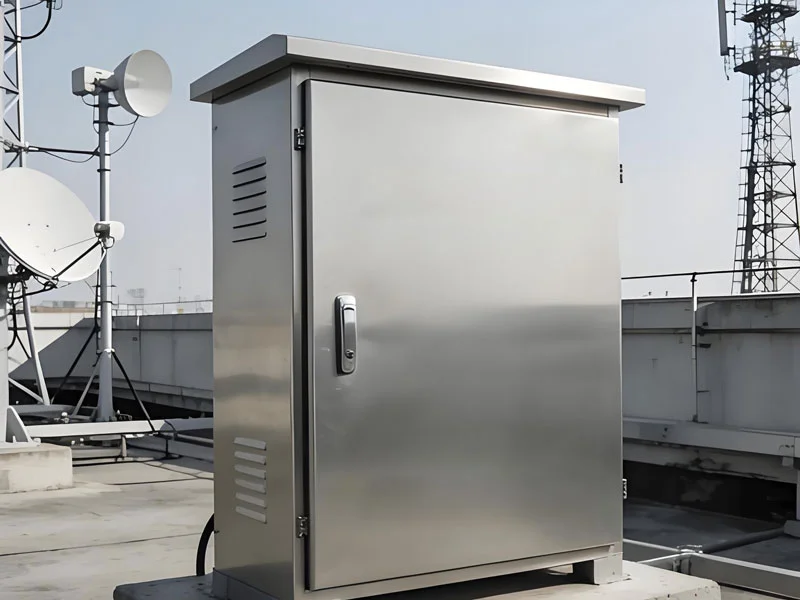
Telecommunications & 5G Infrastructure
Rotary Latches for Telecom & 5G Infrastructure Outdoor telecom cabinets live hard lives: pole-mounted in vibration, ground-mounted within reach of vandals, opened and closed by maintenance crews hundreds of times over a decade. 5G densification multiplies the number of enclosures an operator must secure and service. SecuriLock rotary latches keep these cabinets sealed, tamper-proof and fast to service. What Telecom Infrastructure Demands Tamper-proof security without sacrificing maintenance speed IP-rated gasket compression that survives thermal cycling from -40 °C to desert heat Positive engagement that cannot vibrate open on pole and mast installations Keyed-alike fleets so one crew key serves thousands of cabinets Corrosion protection proven by documented salt spray testing Recommended SecuriLock Models SL-4000-10 Vertical Drive Rotary Lock — rod-driven multi-point latching for tall street cabinets and base station enclosures. SL-4001-11 Direct Drive Rotary Lock — compact, high engagement force for small cell and junction enclosures. SL-4001-32 Manual Drive Rotary Lock — dependable manual operation for indoor rack and equipment rooms. SL-4003-21 Heavy Duty Damped Manual Drive Rotary Latch — damped closing for heavy outdoor doors, protecting gaskets and reducing noise at noise-sensitive sites. Fleet Keying and Verification Every tamper-proof latch for telecom cabinets we ship can be fleet-keyed: operators managing thousands of sites get structured keyed-alike and master-key programs with documented key schedules. Every finish is verified in our own salt spray laboratory to ASTM B117 / ISO 9227, and every unit passes 100% functional testing before packing — so cabinet number one and cabinet number ten thousand perform identically. OEM Customization From 50 pieces: rod lengths, lever forms, cable exits, finishes and project keying. Free STEP/DWG files within one business day, samples in 20–35 business days. Send your cabinet drawing — our engineers reply within 24 hours.
Read More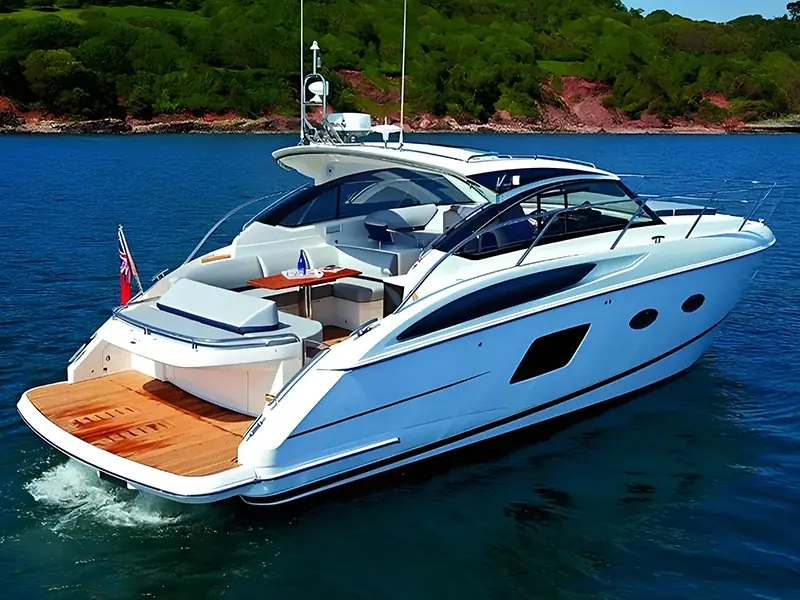
Marine & Offshore
Rotary Latches for Marine & Offshore Environments Salt air destroys ordinary door hardware. On deck boxes, cabin doors, engine room panels and offshore equipment enclosures, a latch that seizes or corrodes through is not a maintenance inconvenience — it is a safety and downtime risk. SecuriLock builds rotary latches specifically for continuous salt-air exposure, with corrosion performance verified in our own salt spray laboratory to ASTM B117 / ISO 9227. What Marine Applications Demand Corrosion resistance beyond 1,000 hours of neutral salt spray exposure Positive two-stage engagement that cannot shake open under vibration and wave impact Smooth operation after months of salt crystal buildup Gasket compression compatible with IP65 and higher deck-mounted enclosures Materials and finishes matched to galvanic conditions on aluminum and steel structures Recommended SecuriLock Models SL-4003-21 Heavy Duty Damped Manual Drive Rotary Latch — the first choice for deck hatches, storage covers and heavy cabin doors. The damped closing action prevents slamming in rough seas and protects both the seal and hinge alignment. SL-4001-11 Direct Drive Rotary Lock — compact and robust for engine room access panels and equipment enclosures where space is tight but engagement force matters. SL-4000-10 Vertical Drive Rotary Lock — drives vertical rods for multi-point latching on tall cabinet doors and offshore electrical enclosures. SL-4003-11 Manual Drive Rotary Latch — a cost-efficient choice for interior cabin doors, equipment lockers and storage compartments. Materials and Finishes for Salt Exposure For marine duty we recommend stainless steel construction, or zinc alloy with our marine-grade electrocoating where weight and cost matter. Every finish batch is verified in-house: neutral salt spray testing per ASTM B117 / ISO 9227 with documented hours, plus coating thickness and adhesion checks. Test reports are available with your shipment. Custom Marine Projects We support OEM customization from 50 pieces: special lever lengths, cable routing for remote release, custom striker geometry and project-specific keying. Free STEP/DWG files are available within one business day, and custom samples ship in 20–35 business days. Send us your door drawing — our engineers reply within 24 hours.
Read More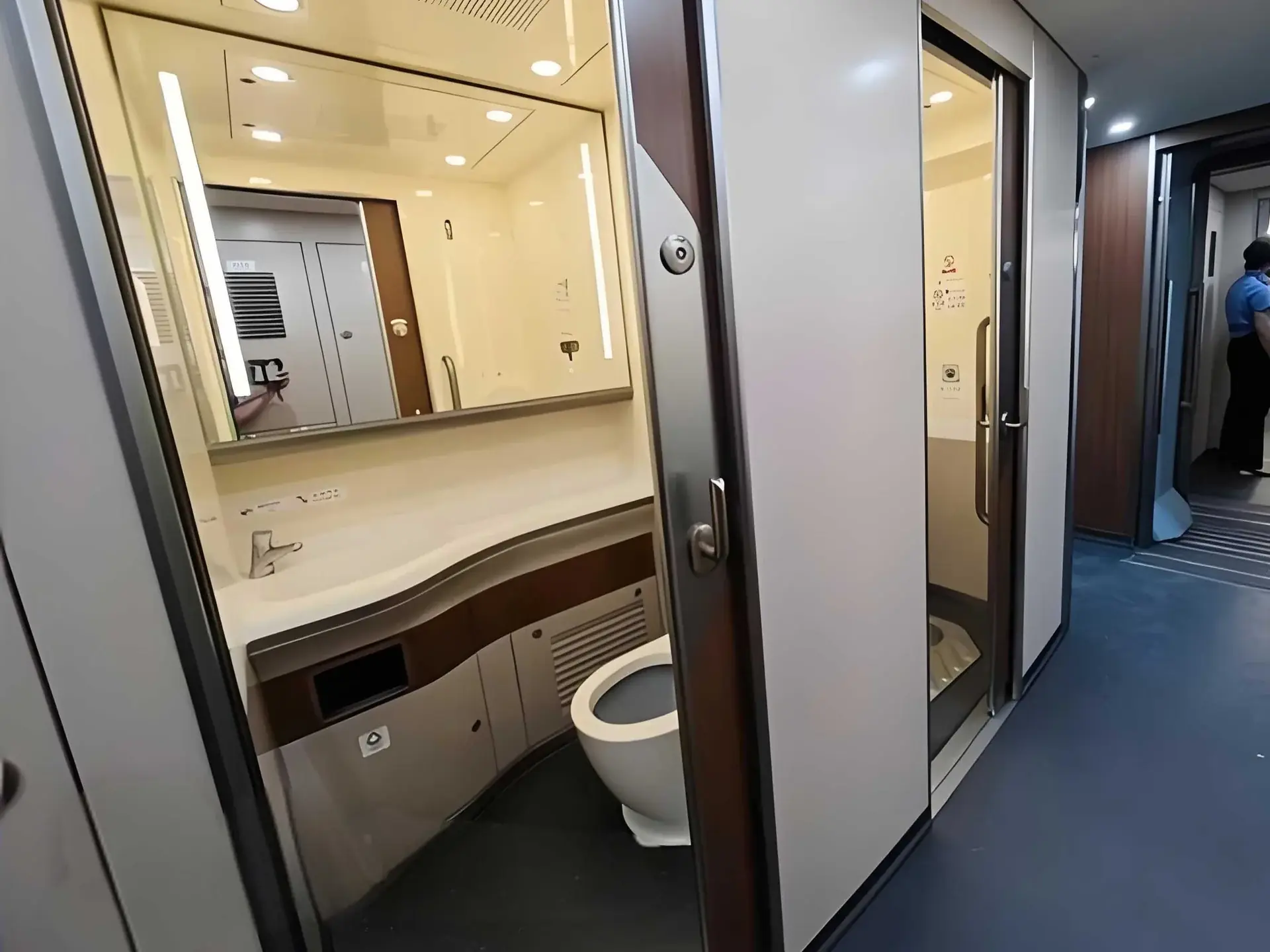
Railway & Rolling Stock
Rotary Latches for Railway & Rolling Stock Rail vehicles punish door hardware with constant vibration, shock loads and millions of open-close cycles. Interior cabin doors, equipment bay covers, skirt panels and driver cab enclosures all need latching that stays positively engaged for decades of service. SecuriLock rotary latches are built around a two-stage engagement that mechanically cannot shake loose — the same principle proven across the rail industry. What Rolling Stock Applications Demand Positive engagement that survives continuous vibration per IEC 61373-class profiles Consistent closing force after hundreds of thousands of cycles Remote cable release options for panels without direct handle access Corrosion protection for underfloor and exterior equipment bays Documented batch traceability for fleet maintenance programs Recommended SecuriLock Models SL-4000-10 Vertical Drive Rotary Lock — drives vertical rods for multi-point latching on tall equipment bay doors and HVAC enclosures, distributing load across the panel edge. SL-4001-11 Direct Drive Rotary Lock — compact, high engagement force, ideal for driver cab consoles and interior equipment doors where depth is limited. SL-4001-32 Manual Drive Rotary Lock — dependable manual operation for interior access panels and seat equipment boxes. SL-4003-21 Heavy Duty Damped Manual Drive Rotary Latch — damped closing protects seals and prevents slam damage on heavy exterior covers. Engineering Support for Rail OEMs We work with rail OEM and Tier-1 engineering teams from specification stage: door geometry review, striker alignment, cable routing for remote release, and vibration-matched spring rates. Salt spray verification per ASTM B117 / ISO 9227 is performed in-house, and every production batch ships with 100% functional test records. Customization and Supply OEM customization from 50 pieces: lever forms, cable exits, striker geometry, surface finishes and project keying. Free STEP/DWG files within one business day, samples in 20–35 business days, and a 36-month 100% on-time delivery record behind every order. Send your door drawing — our engineers reply within 24 hours.
Read More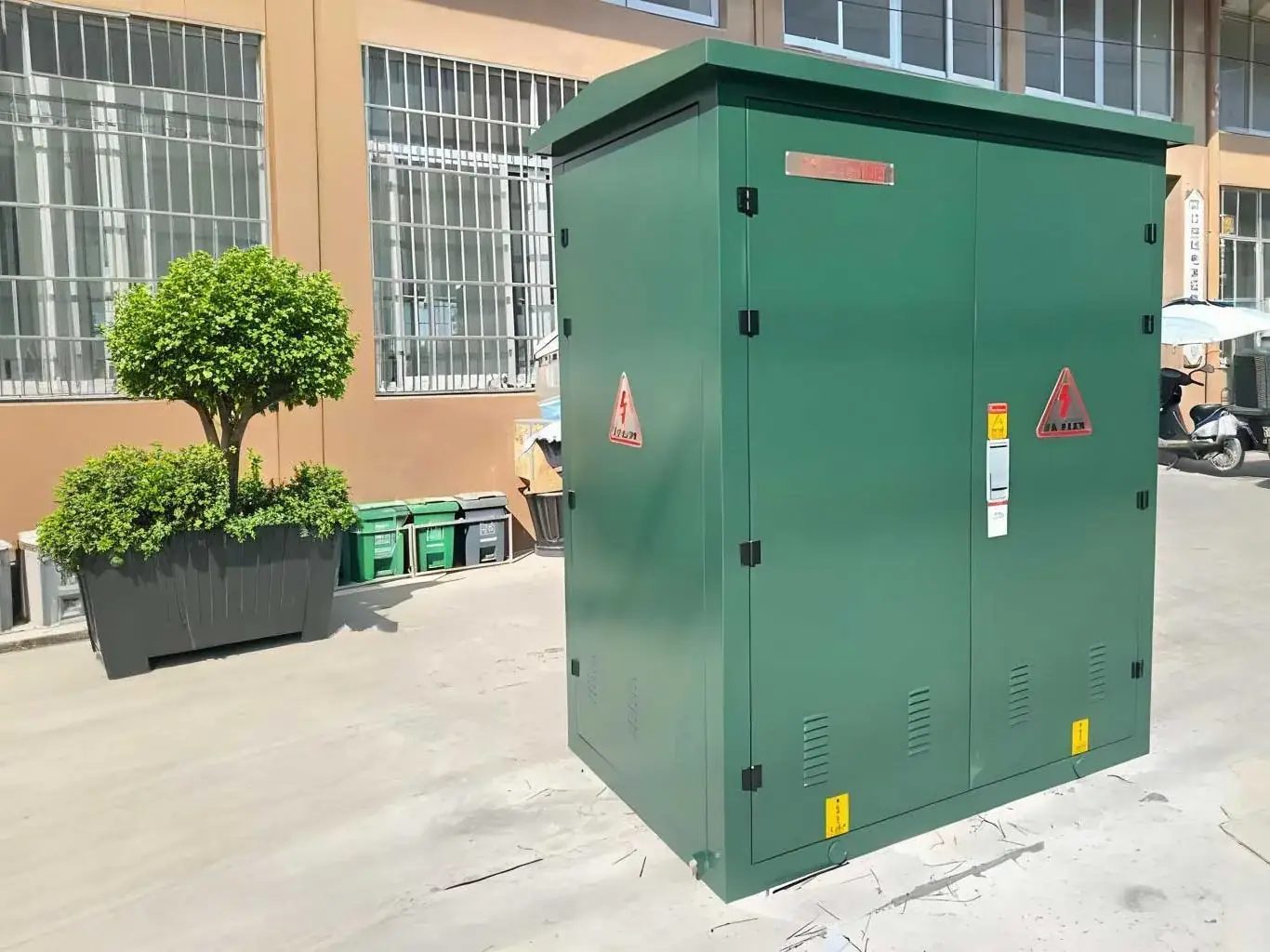
Electrical Enclosures & Outdoor Cabinets
Rotary Latches for Electrical Enclosures & Outdoor Cabinets An enclosure latch does more than close a door — it maintains gasket compression, resists tampering and keeps the IP rating intact through years of thermal cycling and vibration. For outdoor electrical cabinets, distribution boxes and control panels, SecuriLock rotary latches deliver consistent sealing force with the positive engagement that screw-fix and quarter-turn hardware cannot match on large doors. What Enclosure Applications Demand Uniform gasket compression for IP54–IP66 sealing targets Positive two-stage engagement that cannot vibrate open on pole-mounted or trackside cabinets Multi-point latching for tall or wide doors that bow under gasket pressure Corrosion protection verified by documented salt spray testing Keyed access options with project-specific keying systems Recommended SecuriLock Models SL-4000-30 Top Drive Rotary Lock — drives rods from the top of the door, the standard layout for multi-point latching on tall enclosure doors. SL-4001-11 Direct Drive Rotary Lock — compact single-point locking with high engagement force for junction boxes and compact control panels. SL-4001-22 Bottom Drive Rotary Lock — rod actuation from the bottom where top clearance is occupied by cable entries or rain hoods. SL-4001-32 Manual Drive Rotary Lock — economical single-point solution for indoor distribution boards. Sealing, Materials and Verification We match latch compression to your gasket hardness and door stiffness at specification stage. Finishes are verified in our own salt spray laboratory to ASTM B117 / ISO 9227 with documented hours, and every unit passes 100% functional testing before packing. For keyed-alike or master-key systems across a cabinet fleet, we supply structured KA/MK programs. Matching the Latch System to the Door Outdoor cabinet doors between 600 and 1200 mm wide bow visibly under gasket pressure if latched at a single mid-height point: corners lift, the IP seal breaks at the hinge side, and water tracks in after storms. Doors taller than about 1400 mm need top and bottom locking points driven from one actuator. We size the latch system from your door width, gasket hardness and target IP rating, then verify compression on a sample door. Pole-mounted and trackside cabinets additionally see constant low-frequency vibration, where the two-stage rotor cannot shake open and damped closing protects the gasket face. For keyed fleets we supply project keying plans with keyed-alike groups per region or maintenance contractor. Large doors that need a full-grip handle can use our swing handle and multi-point rod locking systems . OEM Customization From 50 pieces: rod lengths, lever forms, striker geometry, finishes and keying. Free STEP/DWG files within one business day, samples in 20–35 business days. Send your enclosure drawing — our engineers reply within 24 hours.
Read More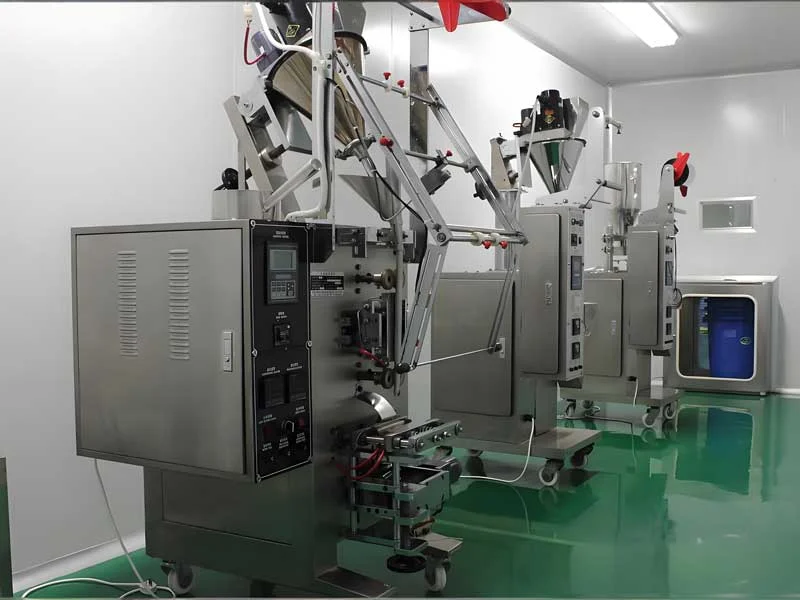
Food & Beverage Processing
Sanitary Enclosure Locks for Food & Beverage Processing Hygienic design is about geometry, not just material. On filling lines, mixers, conveyors and packaging machines, any crevice that cannot be flushed becomes a bacterial accumulation site — and a failed audit. Hardware on food-processing enclosures must survive daily high-pressure, high-temperature washdown while presenting no harborage points and no unsealed threads facing the product zone. What Food & Beverage Applications Demand IP69K resistance to high-pressure, high-temperature washdown and steam cleaning Crevice-free geometry with fully enclosed mechanics — no exposed springs or unsealed pivots EHEDG-reviewed hygienic design with food-contact compliance (EC 1935/2004; FDA 21 CFR available) Chemical resistance to alkaline and chlorine-based CIP cleaning agents Smooth, repeatable actuation with gloves, in wet conditions, several times per shift Recommended SecuriLock Models SL-4003-21 Heavy Duty Damped Manual Drive Rotary Latch — the first choice for large inspection doors and guard panels on processing lines. Mirror-polished SS316 construction with enclosed mechanics, and the damped closing action protects gasket alignment on frequently opened sanitary doors. SL-4001-32 Manual Drive Rotary Lock — a compact, easy-clean rotary lock for control cabinets and small access hatches in washdown zones, with two-stage engagement that holds gasket compression evenly along the door edge. SL-4001-11 Direct Drive Rotary Lock — direct, robust actuation for utility enclosures and motor terminal boxes where a positive, vibration-proof closure is required. SL-4003-11 Manual Drive Rotary Latch — a cost-efficient sanitary latch for dry-area equipment such as control panels, electrical cabinets and secondary packaging machinery. Materials and Compliance We recommend SS316 with a mirror-polished finish (Ra ≤ 0.8 μm available) for any hardware inside the splash or product zone, and electrocoated zinc alloy for dry-area enclosures where cost matters. Material certificates and surface-finish reports are supplied per batch to support your HACCP documentation and customer audits. Send us your door dimensions, gasket specification and cleaning regime — our engineers will confirm the latch configuration and compression setting for your equipment.
Read More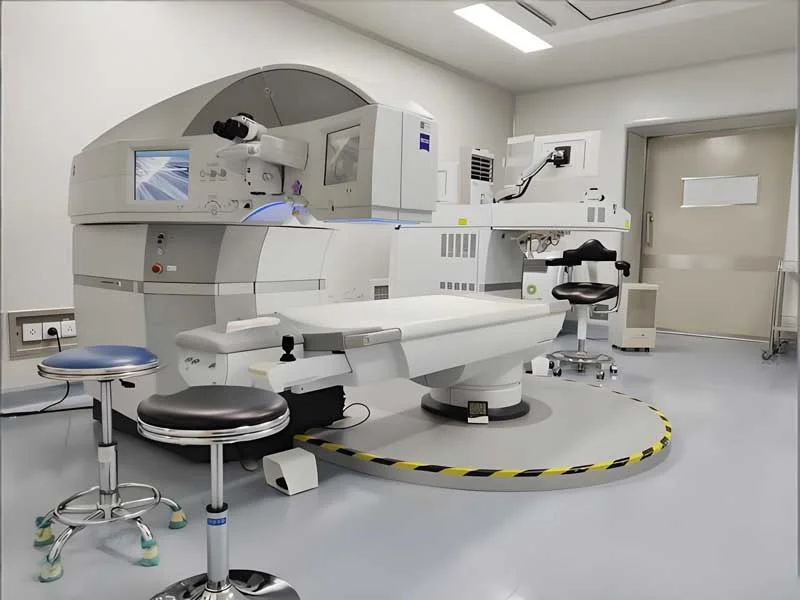
Medical Equipment
Enclosure Hardware for Medical Devices & Laboratory Instruments Medical device manufacturers need more than a latch that works — they need hardware that arrives with documentation supporting regulatory submissions, supplier audits and internal quality processes. On imaging systems, diagnostic analyzers and laboratory instruments, a door that rattles, drifts or opens uncommanded undermines both safety and the perceived quality of the entire device. What Medical & Laboratory Applications Demand ISO 13485-aligned quality documentation, material certificates and inspection records Controlled, low-noise actuation for patient-facing environments Clean, unobtrusive aesthetics that integrate with industrial design Consistent engagement force across every unit in a production run Compatibility with routine disinfection and cleanroom-adjacent use Change-control transparency for AVL submissions and design history files Recommended SecuriLock Models SL-4003-21 Heavy Duty Damped Manual Drive Rotary Latch — ideal for heavy side panels and covers on imaging and diagnostic equipment. The damped closing action eliminates slam noise and protects precise door alignment, giving service panels a controlled, high-quality feel. SL-4003-11 Manual Drive Rotary Latch — a quiet, positive-latching solution for routine access doors on analyzers and laboratory instruments, with two-stage engagement that cannot vibrate open during transport. SL-4001-32 Manual Drive Rotary Lock — a compact rotary lock for small service hatches and internal compartments where space is constrained but secure, repeatable closure is mandatory. Documentation and OEM Support Every shipment can be accompanied by batch-level material certificates, dimensional inspection reports and salt-spray or cycle-life test data. We maintain stable, documented configurations over multi-year production programs, and we notify customers before any change that could affect fit, function or regulatory documentation — keeping your AVL and design history file intact. Share your panel design and annual volumes with us; we will propose a latch configuration with the documentation package your regulatory team expects.
Read More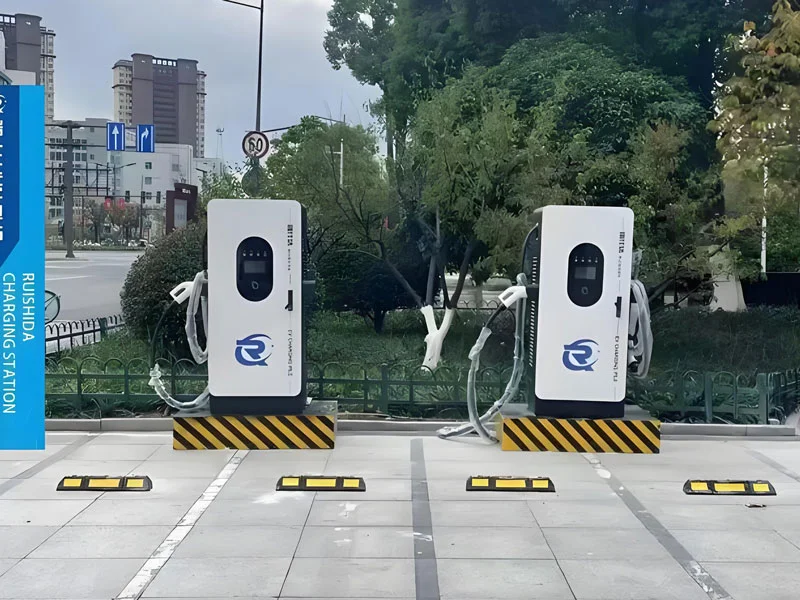
EV Charging Stations
Enclosure Hardware for EV Charging Stations EV chargers live outdoors for a decade or more: in parking structures, roadside locations and fleet depots, exposed to rain, road salt, thermal cycling, UV and vandalism. Every field failure costs a service visit — so enclosure hardware must hold its seal and its security for the full service life, at a unit price that works for deployments of thousands of stations. What EV Charging Applications Demand IP67 sealing that survives years of thermal cycling and condensation UV-stable, corrosion-resistant materials for sun- and salt-exposed sites Keyed or tool-operated access that resists tampering in unsupervised locations Fast, single-motion opening for field service, even with gloves Multi-point latching on tall charger doors to keep gasket compression uniform Direct OEM factory pricing for high-volume rollout programs Recommended SecuriLock Models SL-4000-10 Vertical Drive Rotary Lock — drives vertical rods for two- or three-point latching on tall DC fast-charger doors, keeping long gaskets evenly compressed for a reliable IP67 seal year after year. SL-4000-20 Extended Vertical Drive Rotary Latch — the extended-reach version for deep or stepped charger enclosures where the latch point sits further from the door edge. SL-4001-11 Direct Drive Rotary Lock — a compact, robust lock for AC charger doors, power modules and cable compartments, with positive two-stage engagement that cannot shake open. SL-4001-32 Manual Drive Rotary Lock — a cost-efficient choice for internal service hatches and payment-terminal doors within the charger housing. Engineered for Volume Rollouts We work directly with charger OEM engineering teams to match the sealing level to the installation environment — without over-specifying. Keyed-alike programs let one technician key serve an entire depot or region, and our direct factory pricing, stable configurations and documented change control are built for multi-year, high-volume deployment contracts. Tell us your enclosure design and target markets; we will return a latch specification with samples for your validation testing.
Read More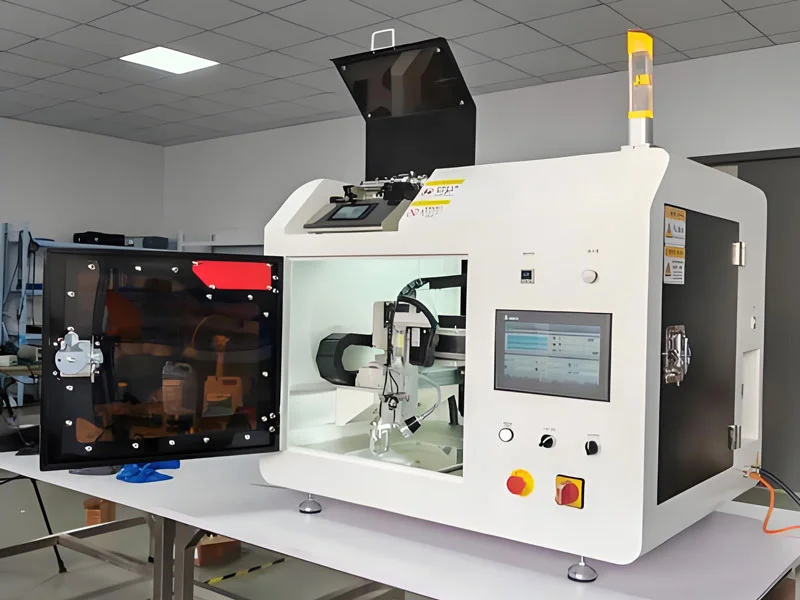
Industrial Equipment & Machinery
Rotary Latches for Industrial Machinery and Heavy Equipment Doors, hoods and machine guards on industrial equipment work harder than enclosure panels. An access door on a compressor package or a guard on a machining center is slammed dozens of times per shift, sits in continuous vibration from engines, spindles and hydraulic units, and sees coolant mist, metal chips and washdown. Hardware that works on a static electrical cabinet often starts to rattle, loosen or pop open within weeks here. Where Standard Latches Fail Vibration loosening. Toggle latches and simple quarter-turns hold by spring pressure or friction. Under sustained vibration they gradually back off, the door starts to rattle, and eventually it opens on its own. Door sag and misalignment. Large access doors and hoods routinely weigh 20 to 60 kg. Hinges wear, the door drops a few millimeters, and a latch with a narrow capture window stops engaging cleanly. Compromised safety interlocks. Guards on rotating, cutting or clamping machinery must stay positively closed until the machine reaches a safe state. A latch that can be bumped open undermines the entire interlock scheme. Maintenance downtime. A panel that takes two minutes of fiddling to open repeats that cost at every service interval on every machine. How to Specify the Right Latch Load and clamping force. Start with door weight plus gasket compression. A two-stage rotary latch captures the striker in a primary and a secondary position. The secondary position still holds the door when it is not fully closed and prevents accidental release under shock loads. Vibration resistance. A rotary latch locks the striker inside a closed cam profile, so retention does not depend on spring force alone. The latch stays closed and the door stays quiet under continuous vibration. Drive type. Choose by where the handle or actuator must sit relative to the latch. Direct drive and manual drive place the release at the latch itself. Vertical, top and bottom drive versions connect the latch to a remote handle by rod, for tall doors or handles that must sit at operator height. Environment. For coolant splash and outdoor washdown, specify plated or coated steel and verify corrosion performance with salt spray testing. SecuriLock tests to ASTM B117 and ISO 9227 in its in-house salt spray laboratory. Cycle life. High-traffic maintenance panels should be specified for 50,000 actuation cycles or more. Recommended Models SL-4003-21 Heavy Duty Damped Manual Drive Rotary Latch : damped closing for heavy doors and high-vibration installations SL-4001-32 Manual Drive Rotary Lock : compact manual drive for machine guards and medium-duty panels SL-4003-11 Manual Drive Rotary Latch : general-purpose latch for heavy panels and hoods SL-4000-10 Vertical Drive Rotary Lock : rod-driven release for tall doors where the handle sits above or below the latch SL-4001-11 Direct Drive Rotary Lock : straightforward direct drive for simple panel layouts Frequently Asked Questions What is the difference between a rotary latch and a draw latch on machine doors? A draw latch pulls two panels together with a lever and holds them under spring tension. A rotary latch captures a striker pin in a rotating jaw with two positive positions. It tolerates more misalignment, closes with a push and stays closed under vibration. How do rotary latches work with safety interlock switches? The latch keeps the guard mechanically closed, while an interlock switch at the latch or striker monitors the closed position and signals the machine controller. Because the two-stage jaw holds the door positively, the switch only reads "closed" when the door truly is. Which drive type should I choose when the handle cannot sit at the latch? Use a rod-driven version. A vertical drive model such as the SL-4000-10 runs the rod along the door height; top and bottom drive models suit horizontal linkages. Manual and direct drive are simpler when the handle can mount at the latch. Can these latches handle a door that has sagged over time? Yes. The two-stage jaw accepts moderate striker misalignment and still engages in the secondary position, so a door that has dropped on worn hinges keeps closing and holding without readjustment. What test data and documentation can SecuriLock provide? Salt spray reports to ASTM B117 and ISO 9227 from our in-house laboratory, cycle-life test data, and third-party test reports on request. Every latch passes 100% functional testing under AQL inspection before shipment, and free STEP and DWG files are available within one working day. Work with SecuriLock SecuriLock has more than 20 years of OEM experience and operates a 30,000 m² factory with in-house tooling, testing and surface treatment. MOQ starts at 50 pieces, samples ship in 20 to 35 working days, and we have kept a 100% on-time delivery record for 36 consecutive months. Send us your door weight, panel thickness and handle position, and our engineers will recommend a model with drawings by the next working day.
Read More
Datacenters & Server Racks
Physical Access Hardware for Datacenters & Server Racks Physical security frameworks such as ISO 27001 and SOC 2 require structured access controls at the rack level: authorized technicians must enter quickly, and every unauthorized attempt must be stopped. In high-density rows, that means compact locks with consistent actuation thousands of times per year — and a keying system that scales from a single row to an entire facility without key chaos. What Datacenter Applications Demand Keyed-alike systems across hundreds of cabinets and access points Master-key hierarchies for tiered access (operator / technician / vendor) Tool-restricted options for shared or technician-only panels Compact form factors that fit 1U-adjacent rails and high-density doors Consistent actuation force under frequent daily use Documentation that supports physical-security audits Recommended SecuriLock Models SL-4000-30 Top Drive Rotary Lock — the primary choice for server rack doors. Top-drive actuation drives vertical rods for multi-point latching, keeping perforated rack doors positively closed without frame rattle, in a footprint suited to high-density rows. SL-4001-22 Bottom Drive Rotary Lock — the bottom-drive counterpart for rack layouts where rod routing or door geometry favors lower actuation points. SL-4001-11 Direct Drive Rotary Lock — compact and robust for network cabinets, PDU enclosures and wall-mount distribution frames where depth is limited. SL-4001-32 Manual Drive Rotary Lock — a cost-efficient manual lock for cable management hatches, cooling unit panels and secondary access doors. Keying Programs and Audit Support We build keyed-alike and master-keyed cylinder programs to your facility plan — one technician key per zone, per row or per customer cage, with restricted keyways available. Batch documentation and configuration records support your security audits, and configurations stay stable across expansion phases so new racks match the installed base. Send us your rack layout and access policy; we will propose a keying matrix and latch configuration for the whole facility.
Read More
Aerospace & Aviation
Rotary Latches for Aerospace Ground Support and Aviation Equipment Weight, vibration and temperature decide whether a latch survives in aviation service. SecuriLock supplies two-stage aircraft rotary latches and aerospace latching handles for ground support equipment (GSE), aviation transport cases and non-structural cabin interior equipment. Typical applications include maintenance stands, baggage and cargo handling equipment, GPU and test-bench enclosures, avionics shipping containers, and galley or stowage hardware. Our latches are not designed or certified for flight-critical airframe applications, and we say so openly. Typical Pain Points in Aviation Hardware Sourcing Vibration loosening. Single-point catches on towed equipment and transport cases work loose after repeated shocks, and doors rattle or open in transit. Temperature extremes. Tarmac equipment sees -40°C winters; closed containers parked in direct sun exceed 70°C inside. Grease hardens, plastics embrittle, tolerances drift. Corrosive exposure. De-icing fluids, hydraulic oil, fuel vapor and coastal salt air attack unprotected steel within a single season. Weight pressure. Every gram counts on mobile and cabin equipment, but a lightened latch still has to hold the door under shock and vibration. Documentation burden. Aviation buyers need traceable lots, material certificates and test reports they can file with their own quality system. How to Select a Rotary Latch for This Sector Start with the locking action. A two-stage aircraft rotary latch catches the striker in a first safety position, then rotates to full closure; even if the second stage is not fully engaged, the door cannot fall open under vibration. Next, match the drive style to your door geometry: vertical, top, bottom or direct drive decides where the actuator and rods sit. For larger GSE doors, a single latch with rods can drive two or three locking points from one handle. Then check three numbers with your supplier: operating temperature range, salt spray hours, and cycle life. Our in-house laboratory runs salt spray tests to ASTM B117 and ISO 9227, and every latch is functionally tested before packing, so the values we quote are measured, not estimated. Recommended Models SL-4000-10 Vertical Drive Rotary Lock — vertical rod actuation for tall equipment cabinets and multi-point latching on large GSE doors. SL-4000-30 Top Drive Rotary Lock — top-mounted drive for enclosures where the handle sits above the latch point. SL-4001-11 Direct Drive Rotary Lock — compact direct coupling for access panels on GPUs, test benches and tool cabinets. SL-4001-32 Manual Drive Rotary Lock — straightforward manual operation where no remote actuator is fitted. SL-4003-21 Heavy Duty Damped Manual Drive Rotary Latch — damped closing for heavy doors on maintenance platforms and transport frames. Aircraft Rotary Latches: Where They Are Used An aircraft rotary latch earns its place wherever a door or panel must stay closed through vibration, shock and rapid temperature change, yet open within seconds for servicing. On the aircraft side, our two-stage rotary latches serve non-structural cabin and interior equipment: galley and stowage compartments, crew rest enclosures, cargo bay liner access panels and equipment covers on business jets and special-mission conversions. On the ground, the same latch family secures baggage and cargo handling equipment, GPU and test-bench enclosures, maintenance stands and avionics shipping containers. Materials follow the exposure: zinc-plated steel for enclosed ground equipment, SUS316 stainless for coastal airports and de-icing fluid contact, with salt spray performance verified to ASTM B117 in our own laboratory. For qualification programs we supply material certificates, salt spray reports and cycle-life test reports with each lot. For mounting points exposed to continuous high-frequency vibration, the shock-absorbing variants isolate the latch mechanism from the panel: see the SL-4004-32 shock-absorbing rotary lock and the SL-4005-12 shock-absorbing handle-operated rotary lock , or browse the full aircraft rotary latch range . Every model keeps the two-stage safety action: a first catch holds the door even if closure is incomplete, and the fully closed second stage cannot rattle open. Working With SecuriLock We run our own 30,000 m² factory with more than 20 years of OEM experience, and we hold 14 registered patents on latch mechanisms. MOQ starts at 50 pieces per model, samples ship in 20 to 35 working days, and free STEP/DWG drawings are provided the next working day after your request. Our 100% on-time delivery record over the past 36 months covers customers including a leading global rolling stock manufacturer. Send your door drawing or striker position, and our engineers will return a latch selection with load and temperature data.
Read More
Kiosks, Vending & Self-Service Equipment
Enclosure Locks & Latching Systems for Kiosks, Vending Machines & Self-Service Equipment Vending machines, payment kiosks, ATMs and self-service terminals combine the hardest requirements in enclosure hardware: they face the public unsupervised, they hold cash or goods, their doors are thin sheet metal — and they are opened for restocking and service several times a week for years. That is why OEMs specifying vending machine latching systems look beyond the lock alone: engagement strength, cycle life and key control have to be engineered as one system. What Kiosk & Vending Applications Demand Tamper resistance for unattended public installations, indoor and outdoor High cycle life — 50,000+ operations for frequent service access Tool-restricted or tubular-key access for route operators Compact dimensions for thin-panel doors and tight internal layouts Consistent quality across high-volume OEM production runs Direct factory pricing that protects unit economics Mechanical or Electric: Choosing the Right Vending Latching System Whether your program calls for a purely mechanical locking system or evaluates electric latch release for connected machines, the fundamentals stay the same: positive engagement that cannot be shimmed open, a cycle rating matched to service frequency, and keying that scales from one machine to an entire route. Our rotary latches cover the mechanical core of both approaches and integrate cleanly with customer-side actuation where electric release is required. Vending Machine Lock Types: T-Handle, Cam and Swing Handle Three vending machine lock types cover almost every door on a machine. A T-handle lock for vending machines is the classic main-door lock: the handle folds flush into a recessed cup, leaves nothing for vandals to grip, and drives a strong cam or locking rod — see our SL-B-2109 T-handle lock . Compact cam locks and tubular-key locks secure cash boxes, payment modules and auxiliary doors; our quarter turn latch range covers them in keyed and tool-operated versions. For larger kiosk and outdoor terminal doors, swing handle locks add multi-point rod latching with electronic options — see the swing handle multi-point range . Matching the vending machine lock mechanism, lock barrel and keying plan to each door is part of our OEM specification service. Recommended SecuriLock Models SL-4003-21 Heavy Duty Damped Manual Drive Rotary Latch — built for main merchandise and cash-compartment doors. The heavy-duty mechanism withstands prying loads, and the damped action prevents slam damage on doors that route operators open and close all day. SL-4003-11 Manual Drive Rotary Latch — a high-cycle, positive-engagement latch for service doors and internal compartments on kiosks and ticketing machines. SL-4001-32 Manual Drive Rotary Lock — a compact rotary lock for thin-panel access doors, payment modules and printer compartments where depth is at a premium. SL-4001-22 Bottom Drive Rotary Lock — bottom-drive actuation for terminals whose internal layout places the latch point low on the door. Slam-Action and Paddle Latches for High-Frequency Service Doors Not every door on a vending machine or kiosk needs a rotary latch. Collection bins, printer bays and auxiliary service flaps are opened dozens of times per route and closed with a push. Slam-action latches with a flush paddle handle let operators work one-handed, even with gloves, and the flush profile leaves nothing for vandals to grip. The SL-B-2503 impact bolt lock and the SL-B-2701 push-button slam latch cover these secondary doors; see the full push-to-close latch range for more options. Built for OEM Volume Programs We supply tubular-key and restricted-keyway options, keyed-alike per operator fleet or per machine series, so one key serves an entire route. Cycle-life and salt-spray test reports are available per batch, and configurations remain stable across multi-year production — no mid-program re-validation surprises. Share your door design and annual volumes; we will return a latching system specification and volume pricing within days.
Read More
Cold Storage & Refrigerated Equipment
Enclosure Locks for Cold Storage & Refrigerated Equipment Cold storage creates challenges that are not obvious at specification stage: seals lose flexibility at low temperatures, panels contract and reduce clamping force, condensation drives corrosion, and aggressive cleaning chemicals attack unprotected finishes. A latch that closes perfectly at +20°C can leave a freezer door unsealed at -30°C — wasting energy and risking product. What Cold Storage Applications Demand Reliable operation from -40°C to +85°C without binding or seizing Self-adjusting compression that absorbs panel contraction and gasket relaxation IP67 sealing against condensation, moisture and ice formation Corrosion resistance in permanently humid cold environments Chemical resistance to low-temperature cleaning and sanitizing agents Recommended SecuriLock Models SL-4003-21 Heavy Duty Damped Manual Drive Rotary Latch — the first choice for walk-in freezer and cold-room doors on equipment enclosures. Its heavy-duty mechanism maintains clamping force as gaskets harden and panels contract, and the damped action prevents slam damage to brittle low-temperature seals. SL-4000-20 Extended Vertical Drive Rotary Latch — drives vertical rods for multi-point latching on tall refrigerated cabinet doors, keeping long gaskets uniformly compressed to stop cold leaks and frost lines. SL-4001-32 Manual Drive Rotary Lock — a compact lock for condenser compartments, control boxes and evaporator access panels in refrigerated display and transport equipment. SL-4001-22 Bottom Drive Rotary Lock — bottom-drive actuation for refrigeration units where the door geometry places latch points below the handle line. Materials for Humid Cold Environments We recommend SS316 construction with low-temperature seal compounds, specified and tested for the full -40°C operating range. Every configuration is validated for cycle life at low temperature, and batch material certificates support your equipment documentation. Tell us your door construction and temperature profile; our engineers will confirm the latch and compression setting for your cold-chain equipment.
Read MoreSee how we solve your industry’s sealing challenges.
Tell us your application and get a tailored lock or latch recommendation.