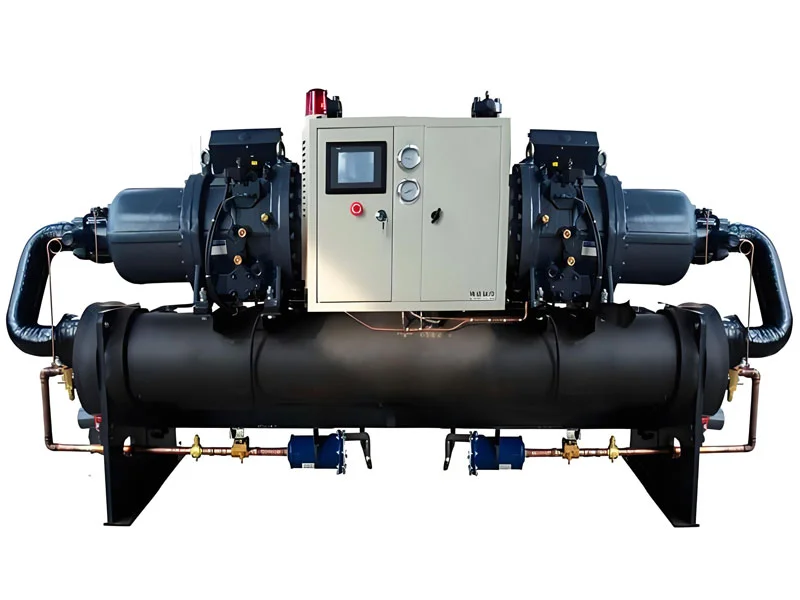
Cold Storage & Refrigerated Equipment
Low-temperature seals and self-adjusting mechanisms maintain clamping force as panels contract in cold storage environments.
Last updated: 2026-08-05
Enclosure Locks for Cold Storage & Refrigerated Equipment
Cold storage creates challenges that are not obvious at specification stage: seals lose flexibility at low temperatures, panels contract and reduce clamping force, condensation drives corrosion, and aggressive cleaning chemicals attack unprotected finishes. A latch that closes perfectly at +20°C can leave a freezer door unsealed at -30°C — wasting energy and risking product.
What Cold Storage Applications Demand
Reliable operation from -40°C to +85°C without binding or seizing
Self-adjusting compression that absorbs panel contraction and gasket relaxation
IP67 sealing against condensation, moisture and ice formation
Corrosion resistance in permanently humid cold environments
Chemical resistance to low-temperature cleaning and sanitizing agents
Recommended SecuriLock Models
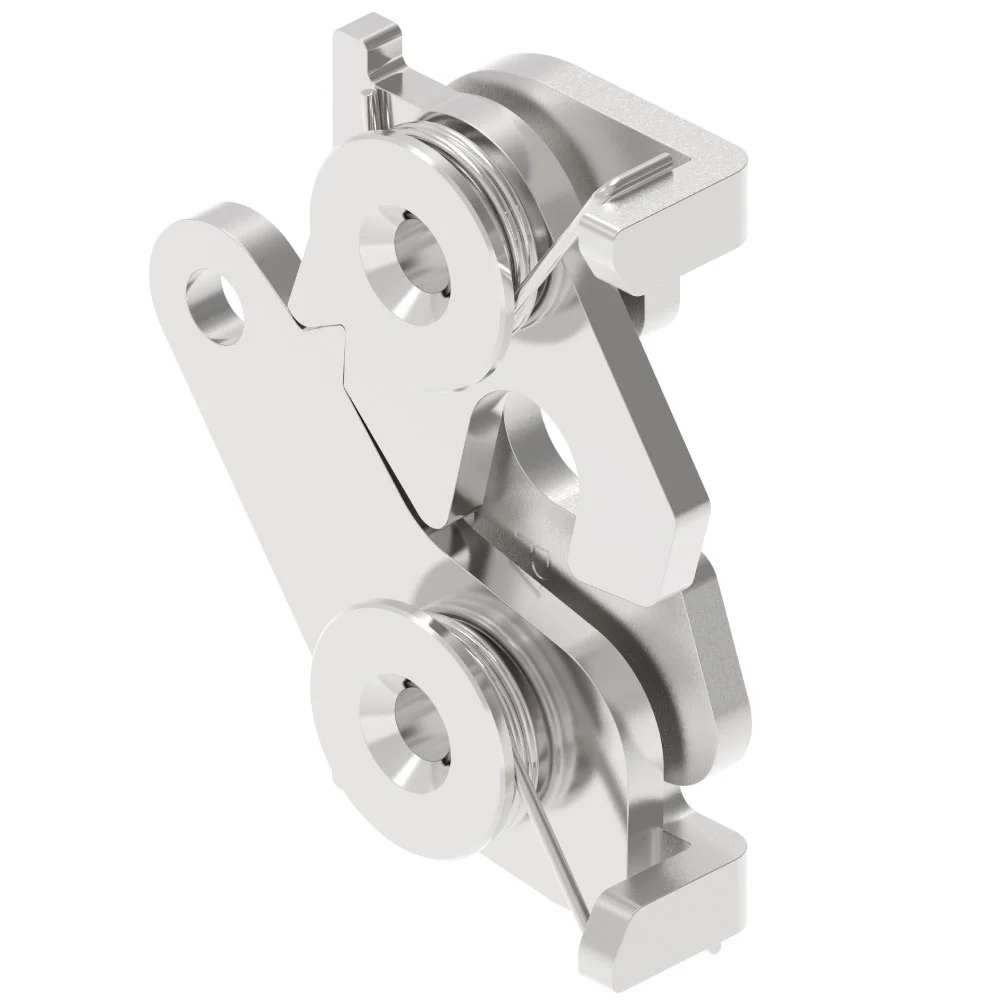
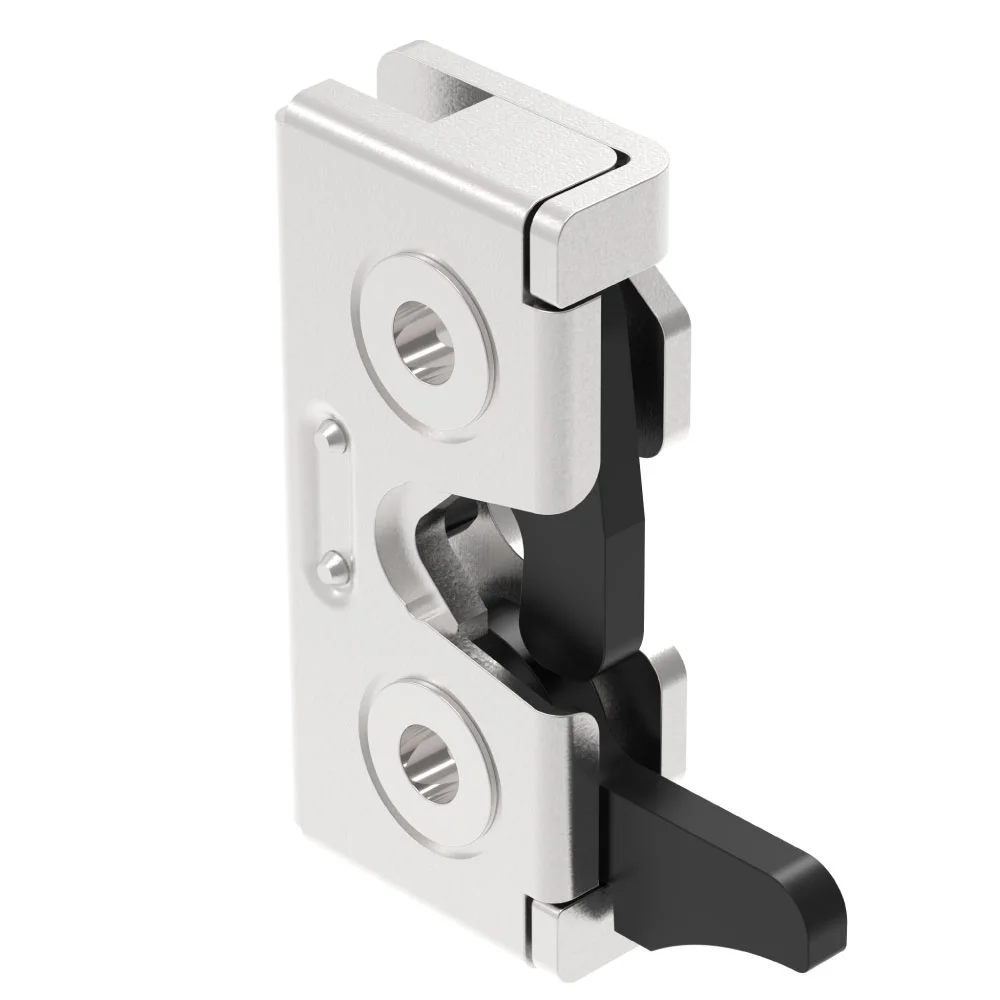
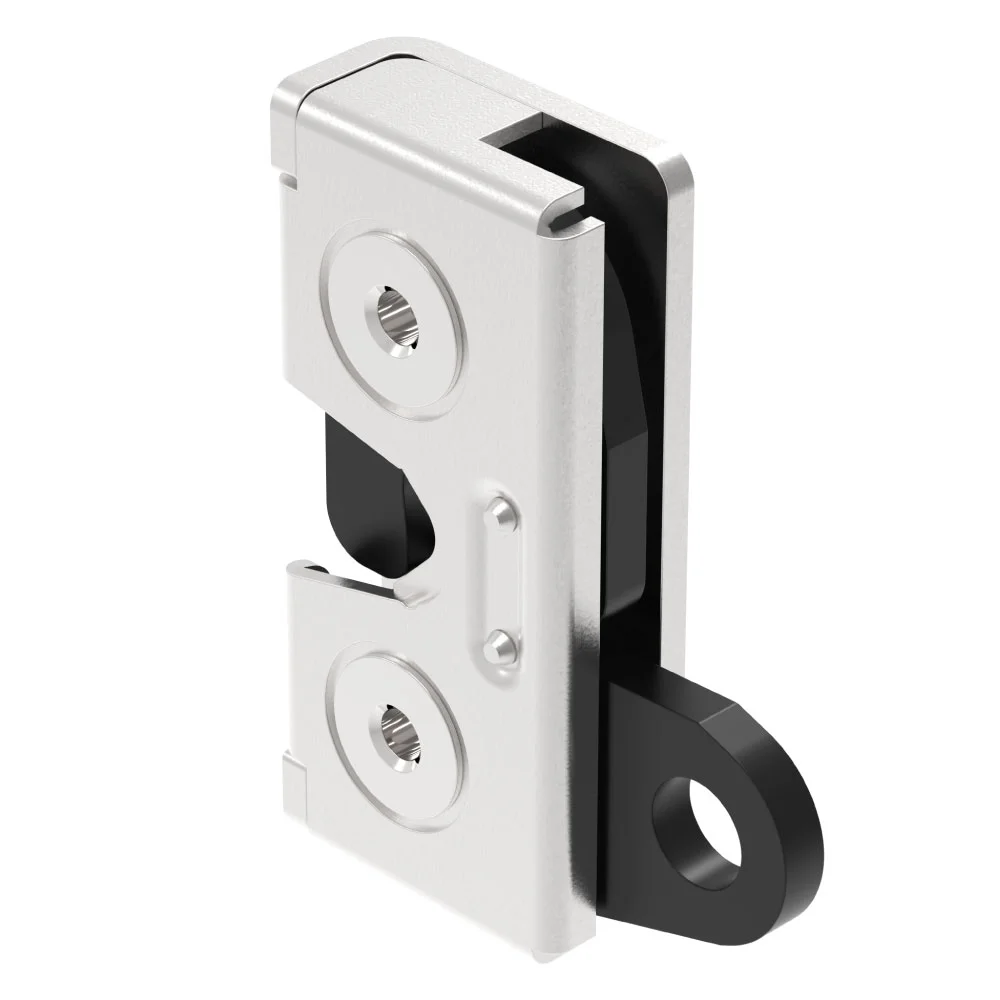
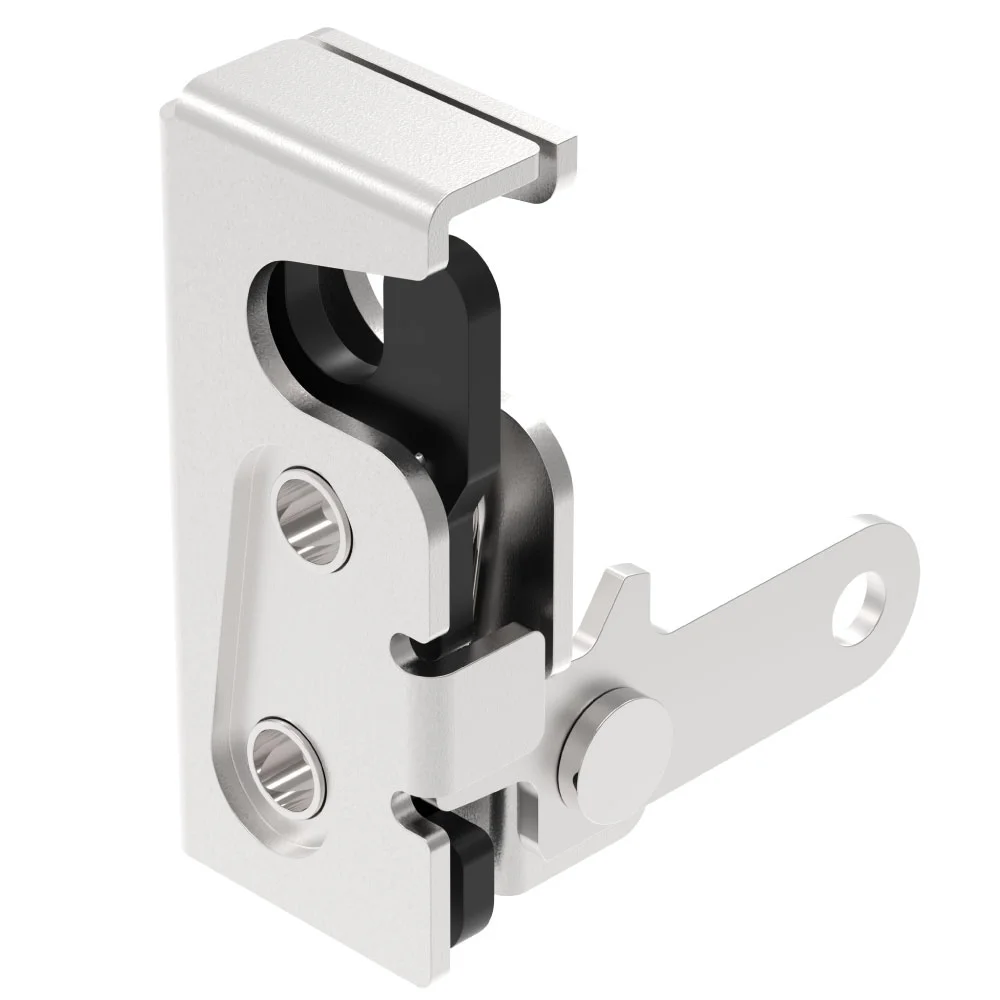
SL-4003-21 Heavy Duty Damped Manual Drive Rotary Latch — the first choice for walk-in freezer and cold-room doors on equipment enclosures. Its heavy-duty mechanism maintains clamping force as gaskets harden and panels contract, and the damped action prevents slam damage to brittle low-temperature seals.
SL-4000-20 Extended Vertical Drive Rotary Latch — drives vertical rods for multi-point latching on tall refrigerated cabinet doors, keeping long gaskets uniformly compressed to stop cold leaks and frost lines.
SL-4001-32 Manual Drive Rotary Lock — a compact lock for condenser compartments, control boxes and evaporator access panels in refrigerated display and transport equipment.
SL-4001-22 Bottom Drive Rotary Lock — bottom-drive actuation for refrigeration units where the door geometry places latch points below the handle line.
Materials for Humid Cold Environments
We recommend SS316 construction with low-temperature seal compounds, specified and tested for the full -40°C operating range. Every configuration is validated for cycle life at low temperature, and batch material certificates support your equipment documentation.
Tell us your door construction and temperature profile; our engineers will confirm the latch and compression setting for your cold-chain equipment.